Source Portable Eco Solvent Label Printer for Industrial, Retail, and Logistics
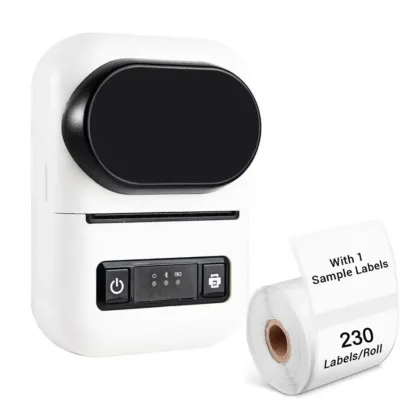
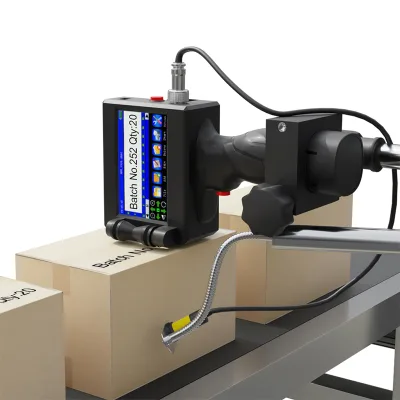
Find 30 portable eco solvent label printer options from verified suppliers. Compare models like HSJET and MP231 with thermal printing, varying resolutions, and support for porous and non-porous materials to meet diverse industrial needs.
Key considerations
Products List






Comprehensive Sourcing Guide
Portable Eco Solvent Label Printer Sourcing Guide
Sourcing portable eco solvent label printers requires a nuanced understanding of the current market landscape, which is currently fragmented across several distinct hardware categories. While the core keyword suggests a specific printing technology, the available product data reveals a broader ecosystem of industrial-grade handheld devices, thermal inkjet coders, and compact thermal label printers. Buyers must carefully distinguish between true eco solvent printers and alternative technologies such as thermal transfer or high-resolution inkjet systems that may be marketed under similar terms. The observed product range includes handheld computers with integrated scanning capabilities, industrial PDAs, and dedicated coding machines, indicating that the term "portable label printer" often encompasses a wider variety of mobile identification and marking solutions than just traditional label printing.
The procurement strategy must account for the diverse applications these devices serve, ranging from daily industrial usage to specialized logistics and inventory management. The observed listings highlight devices designed for mobile working patterns, emphasizing the need for robust connectivity options such as Wi-Fi and support for various operating systems like Android. Furthermore, the presence of devices with expandable functionality, including RFID, RTK, and IR camera modules, suggests that modern portable labeling solutions are increasingly converging with data capture and location tracking technologies. Buyers should evaluate their specific operational needs to determine whether a dedicated printer or a multifunctional handheld device offers greater value for their workflow.
Product Scope and Observed Listing Signals
The current market signals indicate a significant overlap between portable printing devices and other industrial handheld tools. Observed listings include products classified as bar-code scanners, industrial grade PDAs, and handheld computers, which may integrate printing functions or serve as complementary tools in a mobile labeling workflow. The presence of devices with models such as TRC-SJCJ-PDAX8 and T-YS suggests that manufacturers are offering versatile hardware capable of supporting multiple identification technologies, including NFC, RFID, and M1 IC card support. This convergence means that buyers must verify whether the device they are considering is a dedicated printer or a multifunctional device that includes printing as one of several capabilities.
Another key signal from the observed data is the emphasis on customization and software integration. Many listed products offer customization options for logos, packaging, and programs, indicating that these devices are often tailored to specific enterprise needs. The support for multiple languages, including English, Japanese, French, German, Spanish, and Portuguese, highlights the global nature of the supply chain and the need for devices that can operate in diverse linguistic environments. Additionally, the mention of strong technical support and free training suggests that buyers should prioritize suppliers who provide comprehensive onboarding and ongoing assistance to ensure successful deployment of these complex devices.
Technical Specifications to Verify
When evaluating technical specifications, buyers must pay close attention to the printing method and resolution, as these factors directly impact print quality and durability. The observed data includes devices with resolutions ranging from 150-600dpi and effective printing widths up to 72mm, which are typical for thermal printing applications. However, it is crucial to verify whether the device uses thermal printing, thermal inkjet technology, or eco solvent ink, as each method has different requirements for media compatibility and maintenance. For instance, some devices support porous, semi-porous, and non-porous surfaces, while others are limited to specific consumables like thermal label paper or receipts.
Connectivity and power specifications are also critical considerations for portable devices. The observed listings highlight Wi-Fi connectivity and GPS, Bei Dou, Galileo, and Glonass support, which are essential for real-time data synchronization and location tracking in mobile environments. Buyers should verify the power requirements, such as the 16V specification mentioned in some listings, to ensure compatibility with existing power infrastructure. Additionally, the physical dimensions and weight of the devices, ranging from compact handheld units to larger industrial coders, should be assessed to ensure they meet the ergonomic and operational needs of the intended users.
Compliance and Safety Documentation
Compliance with international standards is a mandatory requirement for industrial equipment, and buyers must verify that all devices meet relevant safety and performance certifications. The observed data includes references to CE and SGS standards, which are common requirements for electronic devices sold in global markets. Buyers should request up-to-date certification documents for each device model to ensure they comply with local regulations in their operating regions. It is also important to verify that the devices meet environmental and safety standards for electronic waste disposal, particularly if the devices contain batteries or use specific types of ink or toner.
Documentation should also include detailed user manuals, technical datasheets, and warranty information. The observed listings mention a printer lifespan of 30km under warranty and 50km for general use, which provides a baseline for expected performance. Buyers should clarify the terms of the warranty, including what components are covered and the process for claiming repairs or replacements. Additionally, suppliers should provide clear instructions for maintenance and troubleshooting to minimize downtime and extend the operational life of the devices.
Cost Drivers and Commercial Terms
The cost of portable eco solvent label printers and related devices is influenced by several factors, including the complexity of the hardware, the level of customization, and the included software features. The observed price range of 0.01-28000 USD reflects the wide variety of products available, from basic thermal printers to advanced multifunctional handheld computers. Buyers should request detailed quotations that break down the costs of the hardware, software licenses, accessories, and any customization fees. It is also important to consider the total cost of ownership, including the cost of consumables such as ink, labels, and ribbons, which can vary significantly between different printing technologies.
Commercial terms such as minimum order quantity (MOQ), payment terms, and delivery times are critical for procurement planning. The observed MOQ range of 1-500 units indicates that suppliers offer flexibility for both small-scale trials and large-scale deployments. Buyers should negotiate favorable payment terms, such as partial upfront payments and balance upon delivery, to mitigate financial risk. Additionally, the observed delivery time of "in time" suggests that suppliers prioritize timely shipments, but buyers should confirm specific lead times for custom orders and ensure that the supplier has a reliable logistics network to handle international shipping.
Supplier Qualification and Quality Control
Supplier qualification is a critical step in ensuring the reliability and quality of the purchased devices. Buyers should verify the supplier's manufacturing capabilities, quality control processes, and after-sales support infrastructure. The observed data indicates that suppliers are located in key manufacturing hubs such as Shenzhen, Guangdong, and Xiamen, China, which are known for their electronics and printing equipment industries. Buyers should request information about the supplier's production facilities, including the equipment used for assembly and testing, to ensure that they meet industry standards for quality and consistency.
Quality control measures should include rigorous testing of each device before shipment, including functional tests for printing, connectivity, and battery performance. Buyers should also verify that the supplier provides comprehensive training and technical support, as mentioned in the observed listings. This includes free training sessions and access to technical experts who can assist with troubleshooting and maintenance. Additionally, buyers should establish clear communication channels with the supplier to address any issues that may arise during the deployment and operation of the devices.
Long-Term Procurement Checks
Long-term procurement success depends on the ability to maintain and upgrade the devices over their operational lifespan. Buyers should establish a maintenance schedule that includes regular cleaning, calibration, and replacement of consumables to ensure consistent print quality and device performance. The observed printer lifespan of 50km provides a benchmark for planning maintenance intervals and budgeting for consumable costs. Buyers should also verify the availability of spare parts and accessories, such as print heads, batteries, and charging docks, to minimize downtime in case of failure.
As technology evolves, buyers should also consider the potential for software updates and hardware upgrades. The observed support for Android operating systems and expandable functionality suggests that many devices are designed to be upgradable. Buyers should verify that the supplier provides regular software updates to address security vulnerabilities and add new features. Additionally, buyers should monitor market trends and technological advancements to ensure that their devices remain competitive and capable of meeting future operational needs. By maintaining a proactive approach to procurement and maintenance, buyers can maximize the value and longevity of their portable labeling solutions.
FAQs
What printing methods are supported for portable eco solvent label printers?
Thermal printing is the primary method supported for these devices. The system accommodates porous, semi-porous, and non-porous ink solutions to ensure high-quality output on various label materials.
Which certifications do portable eco solvent label printer manufacturers typically hold?
Manufacturers often provide CE and SGS certifications for their equipment. These standards ensure the machines meet international safety and quality requirements for industrial and commercial printing applications.
How does the resolution affect the quality of printed labels?
Resolution ranges from 150 to 600 dpi depending on the specific model configuration. Higher resolution settings enable sharper text and graphics, which is essential for detailed industrial coding and labeling tasks.
Can these printers handle different label widths and types?
Yes, the effective printing width can reach up to 72mm with a maximum label width of 80mm. They are designed to adapt to thermal label paper and receipts for versatile usage.
What is the expected lifespan of the printer mechanism?
The printer mechanism typically offers a lifespan of 50km with a warranty period of 30km. This durability ensures reliable performance for daily industrial applications and high-volume printing needs.
Where are these portable eco solvent label printers manufactured?
Production facilities are located in Shenzhen, Guangdong, and Xiamen, China. These regions are known for their advanced manufacturing capabilities and supply chain efficiency for electronic printing equipment.
What customization options are available for the handheld devices?
Customization is available for logos, packaging, and specific programs. Buyers can request tailored solutions to meet unique branding or operational requirements for their industrial grade PDA applications.